
Movement of Tectonic Plates.
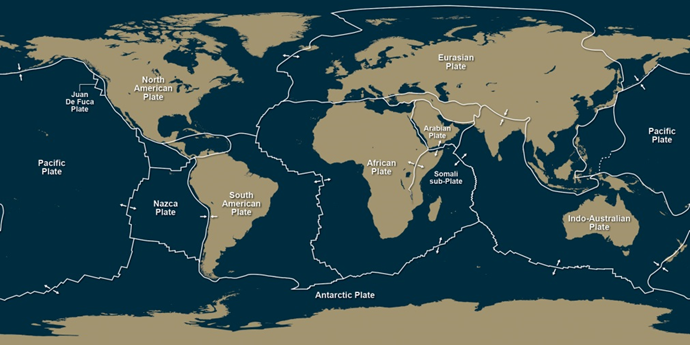
The Earth’s outer layer is divided into large plates that slowly move. When these plates interact, earthquakes can occur.
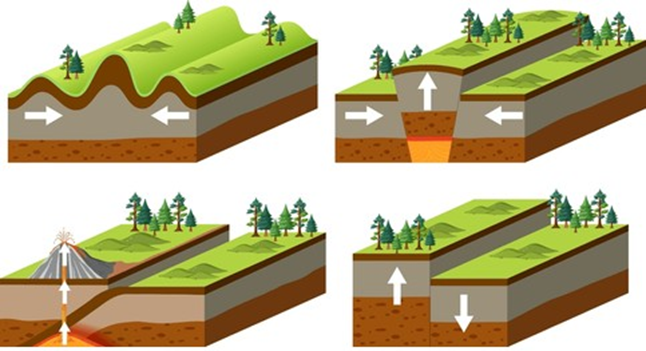
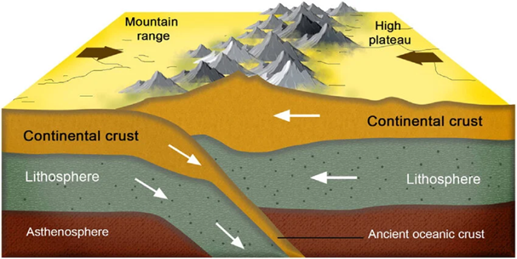
Collision of Plates. When two plates push against each other, stress builds up. The sudden release of this stress causes an earthquake
Plates Pulling Apart
Some plates move away from each other. This movement can crack the Earth’s crust and trigger earthquakes.
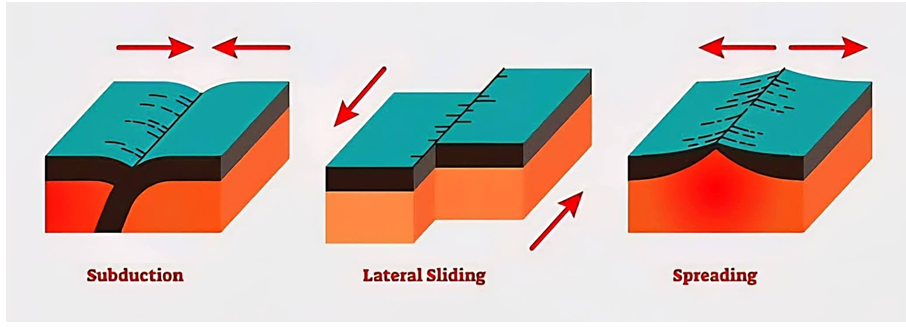
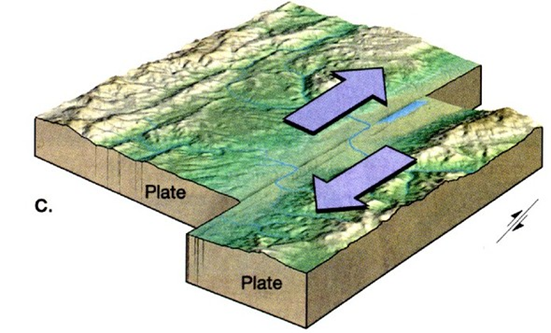
Plates Sliding Past Each Other
At transform boundaries, plates slide sideways. Friction can lock them together until enough pressure builds and is suddenly released.
Fault Lines
Earthquakes usually occur along faults, which are fractures in the Earth’s crust where rocks move.
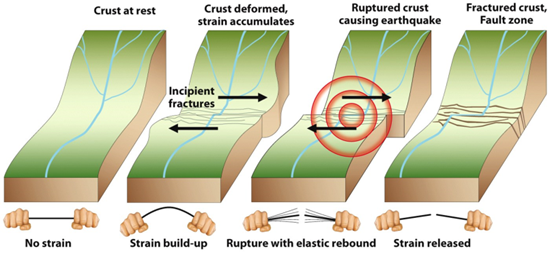
Accumulated Stress in Rocks
Rocks can bend and store energy over time. When they break, the stored energy is released as seismic waves.
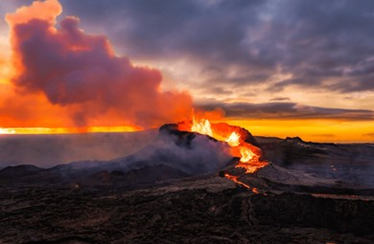
Volcanic Activity
Rising magma can crack surrounding rock, causing volcanic earthquakes near active volcanoes.
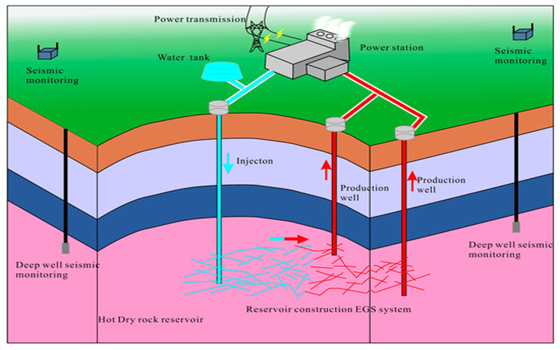
Human Activities
Mining, large reservoirs behind dams, geothermal projects, and some forms of underground fluid injection can sometimes trigger small earthquakes.
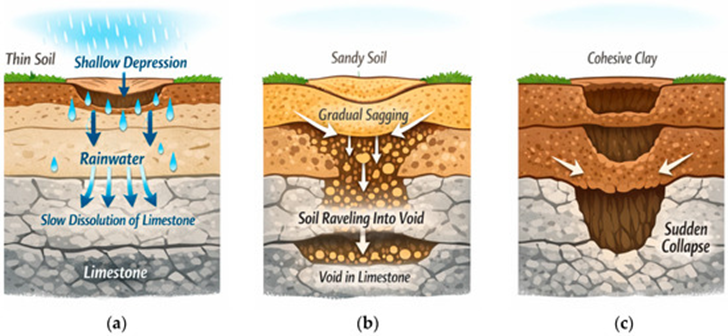
Collapse of Underground Cavities
The collapse of caves, mines, or underground voids can produce localized earthquakes.
Release of Seismic Energy
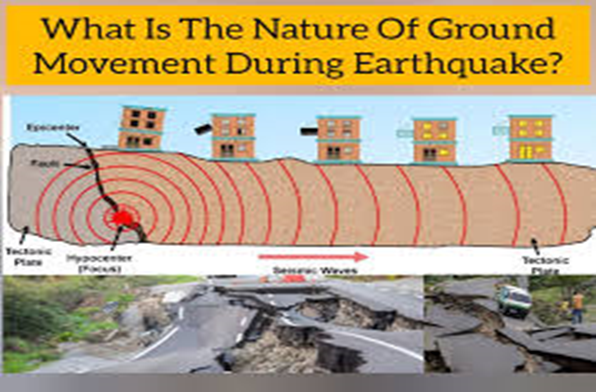
The actual shaking felt during an earthquake comes from seismic waves that travel through the Earth after energy is released.
Release of Seismic Energy
The actual shaking felt during an earthquake comes from seismic waves that travel through the Earth after energy is released.
Summary
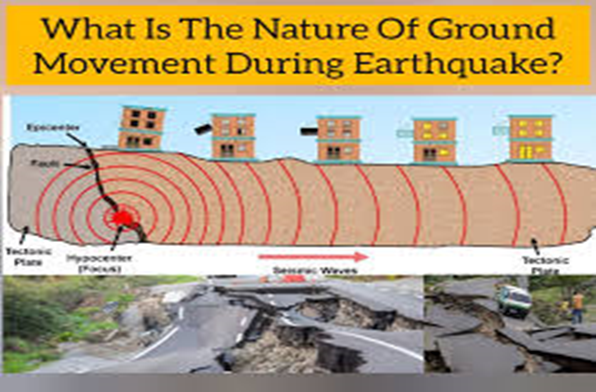
An earthquake occurs when stress built up in the earth’s crust is suddenly released, usually because of tectonic plate movement along fault lines. This release of energy creates seismic waves that cause the ground to shake.