(IMPORTANCE, IMPACTS, & SITE SELECTION)
Dr.E.Srinivas, Professor, PJTAU, Hyderabad.
Introduction
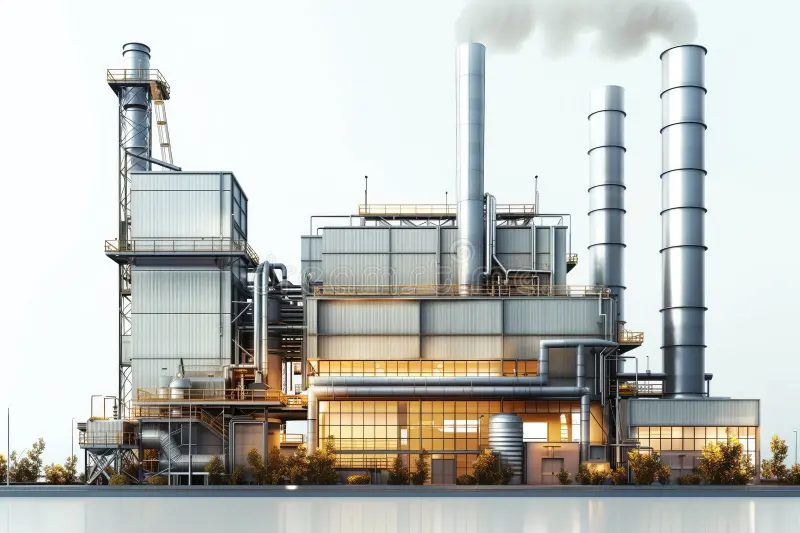
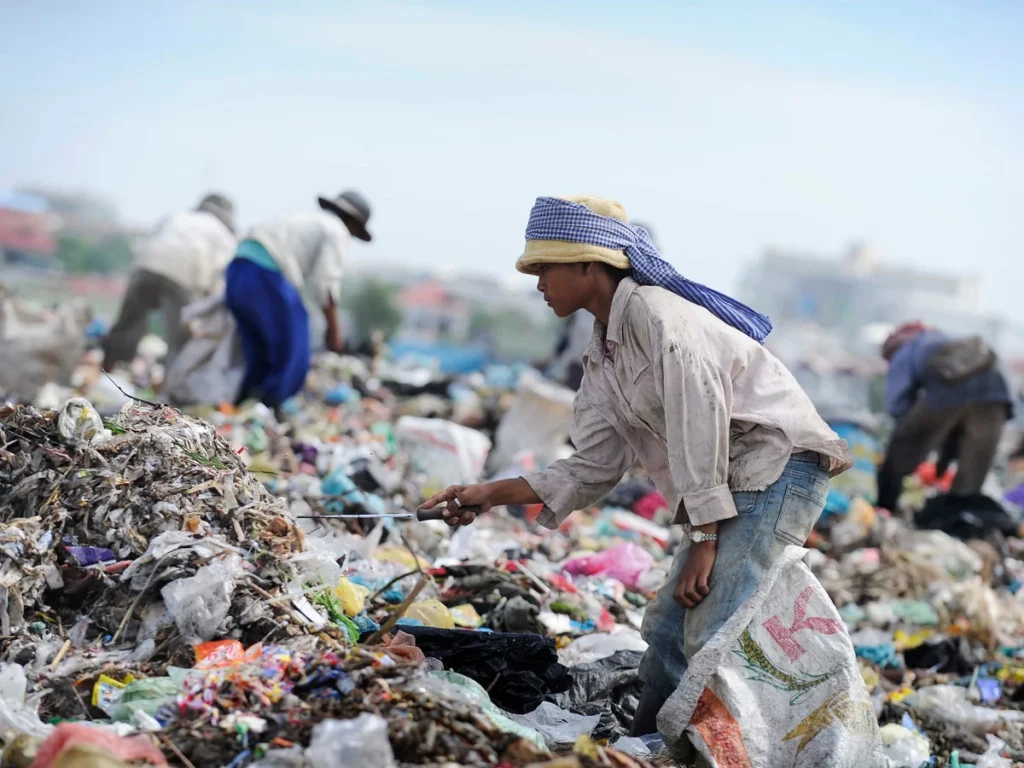
Waste-to-Energy (WtE) plants are facilities that convert municipal solid waste into useful forms of energy such as electricity, heat, or fuel. With rapid urbanization and population growth, waste generation has increased significantly, creating serious environmental challenges. Traditional landfill methods are no longer sustainable due to land scarcity and pollution issues.
WtE technology offers a dual benefit: it reduces the volume of waste while simultaneously generating energy. This makes it an important component of sustainable development and modern waste management systems.
Importance of Waste-to-Energy Plants
1. Waste Reduction
WtE plants can reduce the volume of waste by up to 80–90%, significantly decreasing the need for landfills. This is especially important in urban areas where land availability is limited.
2. Energy Generation
WtE plants produce energy in the form of electricity or heat by processing non-recyclable waste. This helps in reducing dependence on fossil fuels and supports energy security.
3. Resource Recovery
During the waste processing stage, materials such as metals can be recovered and reused. This supports the concept of a circular economy and reduces the need for raw materials.
4. Reduction of Greenhouse Gas Emissions
Landfills produce methane, a highly potent greenhouse gas. WtE plants help reduce methane emissions by diverting waste from landfills and converting it into energy.
5. Improved Waste Management
WtE plants promote scientific waste handling practices, including segregation, collection, and disposal. This improves urban sanitation and reduces environmental pollution.
Environmental and Health Impacts
1. Impact on Air
WtE plants may release pollutants such as particulate matter (PM), nitrogen oxides (NOx), sulphur dioxide (SO₂), and dioxins if not properly controlled.
- Positive Impact: Reduction in methane emissions from landfills.
- Negative Impact: Air pollution can lead to respiratory diseases such as asthma and bronchitis.
- Mitigation: Installation of advanced pollution control systems like scrubbers and electrostatic precipitators.
2. Impact on Water
Waste processing and cooling operations can generate wastewater.
- Risks: Contamination of nearby water bodies with toxic substances and heavy metals.
- Health Effects: Polluted water may cause waterborne diseases and harm aquatic life.
- Mitigation: Proper wastewater treatment and recycling systems must be implemented.
3. Impact on Soil
Ash residues (fly ash and bottom ash) produced during incineration may contain hazardous materials.
- Risks: Soil contamination due to improper disposal.
- Effects: Reduced soil fertility and entry of toxins into the food chain.
- Mitigation: Safe disposal in lined landfills and reuse of treated ash in construction.
4. Impact on Human Health
Communities located near poorly managed WtE plants may face health risks.
- Short-term Effects: Eye irritation, headaches, and breathing problems.
- Long-term Effects: Increased risk of serious diseases due to toxic emissions.
- Mitigation: Strict emission standards, continuous monitoring, and maintaining buffer zones between plants and residential areas.
Suggestions for Selecting a Suitable Location
Proper site selection is essential to minimize environmental and health risks. The following factors should be considered:
1. Distance from Residential Areas
WtE plants should be located away from densely populated areas. A buffer zone of at least 500 meters to 1 kilometre is recommended.
2. Availability of Waste Supply
The plant should be located near urban centres to ensure a continuous supply of waste and reduce transportation costs.
3. Environmental Sensitivity
Sites near forests, wetlands, and wildlife habitats should be avoided to protect biodiversity and ecological balance.
4. Water Resource Protection
The plant should not be located near rivers, lakes, or groundwater recharge zones to prevent contamination.
5. Air Flow and Wind Direction
Prevailing wind patterns should be studied to ensure that emissions do not affect nearby residential areas.
6. Land Suitability
Non-agricultural or degraded land should be preferred to avoid affecting food production. The soil must also be stable enough to support heavy infrastructure.
7. Infrastructure Availability
The site should have good access to roads, electricity, and water supply for smooth plant operations.
8. Regulatory Compliance
All environmental laws and guidelines set by pollution control authorities must be strictly followed.
9. Community Acceptance
Public participation and consultation are important to address local concerns and ensure transparency.
Conclusion
A well-planned and properly managed WtE plant can play a vital role in sustainable urban development while protecting air, water, soil, and human health.
Waste-to-Energy plants are an effective solution for managing increasing waste and generating energy in a sustainable manner. They help reduce landfill use, recover valuable resources, and lower greenhouse gas emissions. However, their environmental and health impacts must be carefully controlled through advanced technologies, strict regulations, and proper site selection.